

The Allure of Ambiance
The ambiance of a casino plays a critical role in shaping the experience of its patrons. Designers utilize various elements like lighting, color schemes, and architectural layouts to create an environment that is both inviting and invigorating. Soft, warm lighting can evoke feelings of comfort and excitement, while vibrant hues stimulate emotional responses. For instance, the strategic use of reds and golds can invoke a sense of luxury and urgency, compelling visitors to engage more deeply in gaming activities, especially when they consider options for nrl premiership betting that enhance their overall experience.
In addition to lighting and color, the sounds within a casino contribute significantly to its psychological impact. The cacophony of chimes, music, and the mingled voices of excited players create an atmosphere that enhances the overall experience. This sensory overload can draw in visitors, heightening their pleasure and making them more likely to stay longer and spend more. The carefully curated soundscape is designed not only to engage but also to evoke a sense of thrill that is inherently associated with gambling.
Furthermore, the layout of a casino is meticulously planned to maximize interaction and participation. Open spaces encourage movement and exploration, while strategically placed game tables and slot machines create a sense of urgency and excitement. This spatial arrangement is crucial, as it leads patrons through a calculated journey, keeping them engaged and invested in their experience. Altogether, these elements of ambiance work in concert to create a captivating environment that fosters prolonged visits and increased spending.
Psychological Triggers in Game Design
The psychological aspects of game design in casinos are as crucial as the architectural elements. Each game is meticulously crafted to trigger emotional responses that can lead to a heightened sense of engagement. Elements like near-misses, flashing lights, and the thrill of small wins are intentionally designed to keep players invested. These experiences create a compelling feedback loop, encouraging players to continue gambling in hopes of that next big win.
Moreover, the concept of “loss aversion” plays a significant role in how games are designed. Players often feel the sting of losing more acutely than the joy of winning, which can lead them to take more risks to recoup losses. Casinos exploit this psychological phenomenon by creating games that offer frequent, small wins that keep the excitement alive, even when losses accumulate. This design strategy capitalizes on the emotional rollercoaster players experience during gameplay, reinforcing their desire to continue wagering.
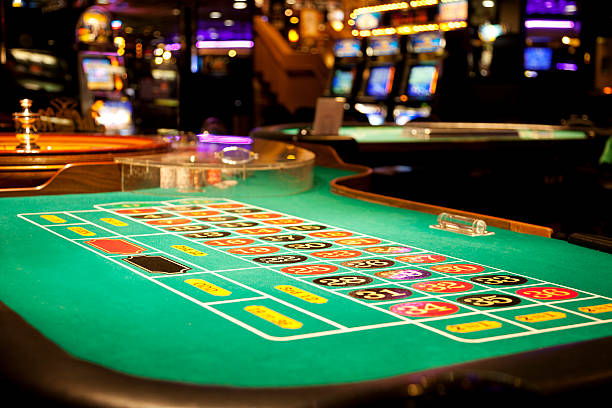
The social aspect of gaming is also a vital psychological trigger. Many games are designed to be played in groups, fostering a sense of community and shared experience among players. This social interaction amplifies the enjoyment of gaming, making the experience more enticing. Casinos take advantage of this by featuring communal games, such as poker and craps, where players can engage with each other while participating in the thrill of the game. This deliberate focus on social gaming underscores the multifaceted psychology behind casino design.
The Role of Rewards and Incentives
Reward systems play a significant role in casino operations, leveraging psychological principles to influence player behavior. Frequent and varied rewards create a sense of anticipation and excitement among patrons. By offering various incentives such as comp points, free spins, or loyalty bonuses, casinos encourage players to return. This system reinforces positive associations with gaming and increases the likelihood of long-term patronage.
Additionally, the unpredictability of rewards serves as a psychological hook that keeps players engaged. Similar to principles found in behavioral psychology, intermittent reinforcement—where rewards are given at random intervals—can lead to addictive behaviors. The sporadic nature of winning keeps players on edge, repeatedly drawing them back to the tables in hopes of experiencing that next rewarding moment. This design strategy plays directly into the psychology of anticipation, creating an irresistible urge to play more.
Moreover, casinos often utilize tiered reward systems that create a hierarchy of benefits. As players accumulate points and rise through ranks, they gain access to exclusive rewards and experiences, further motivating them to strive for higher levels of play. This tiered structure taps into their desire for status and achievement, instilling a sense of loyalty not only to the casino but also to the unique experience it offers. Overall, the deliberate integration of rewards and incentives illustrates the depth of psychological understanding inherent in casino design.
Influence of Social Proof and Branding
Social proof is another critical element in the design of casinos. The presence of crowds and visible engagement boosts a casino’s allure and influences potential visitors’ decisions. Designed to be bustling and exciting, casinos capitalize on this psychological effect by ensuring that popular games are easily visible to passersby. The sight of others enjoying themselves serves as a powerful cue to potential new players, encouraging them to join in on the action and experience the thrill for themselves.

Branding also plays a significant role in shaping perceptions of a casino. Unique themes and distinctive elements create a brand identity that resonates with specific audiences. For instance, a casino designed to evoke a sense of lavish glamour will attract individuals seeking luxury and excitement. Conversely, a more relaxed, family-friendly casino may appeal to visitors looking for a space that caters to a broader demographic. The clear distinction in branding helps define the customer experience and sets expectations around the gaming environment.
The strategic use of celebrities and influencers can further enhance the branding and social proof aspects. By associating with well-known personalities, casinos amplify their allure and attract fans eager to replicate that lifestyle. Whether through promotional appearances, endorsements, or themed events, the presence of celebrity culture within a casino’s branding significantly influences visitor behavior and increases foot traffic. Overall, the interplay between social proof and branding effectively shapes the perceptions and behaviors of casino patrons.
Exploring the Future of Casino Design
As technology continues to evolve, so too does the design of casinos. The integration of advanced technologies such as virtual reality and artificial intelligence is poised to transform the gaming experience significantly. These innovations promise to enhance the psychological engagement of players, creating immersive environments that could redefine how patrons interact with games and the casino space. For instance, virtual reality could allow players to engage with realistic simulations, deepening their emotional connection to the experience.
Moreover, the rise of online gaming has prompted traditional casinos to adapt their design strategies. Many establishments are beginning to incorporate digital gaming experiences and entertainment options to keep pace with changing preferences. This shift caters to tech-savvy consumers and addresses the psychological need for engaging and diverse experiences. By blending traditional gaming with contemporary technology, casinos can continue to attract a wide range of patrons.
Lastly, the focus on responsible gaming is increasingly influencing casino design. As awareness of gambling addiction grows, many casinos are implementing features that promote responsible play. This may include clearly visible resources for help, reminders for players to take breaks, or setting limits on betting. By prioritizing player well-being, casinos not only align with ethical considerations but also foster a positive environment that encourages a sustainable gaming experience. The future of casino design promises to be both innovative and socially responsible.